Ellis Hoffmann · 2 October 2026
Forging Links: Expanded Bus Routes Reshape Access for Stillwater Residents
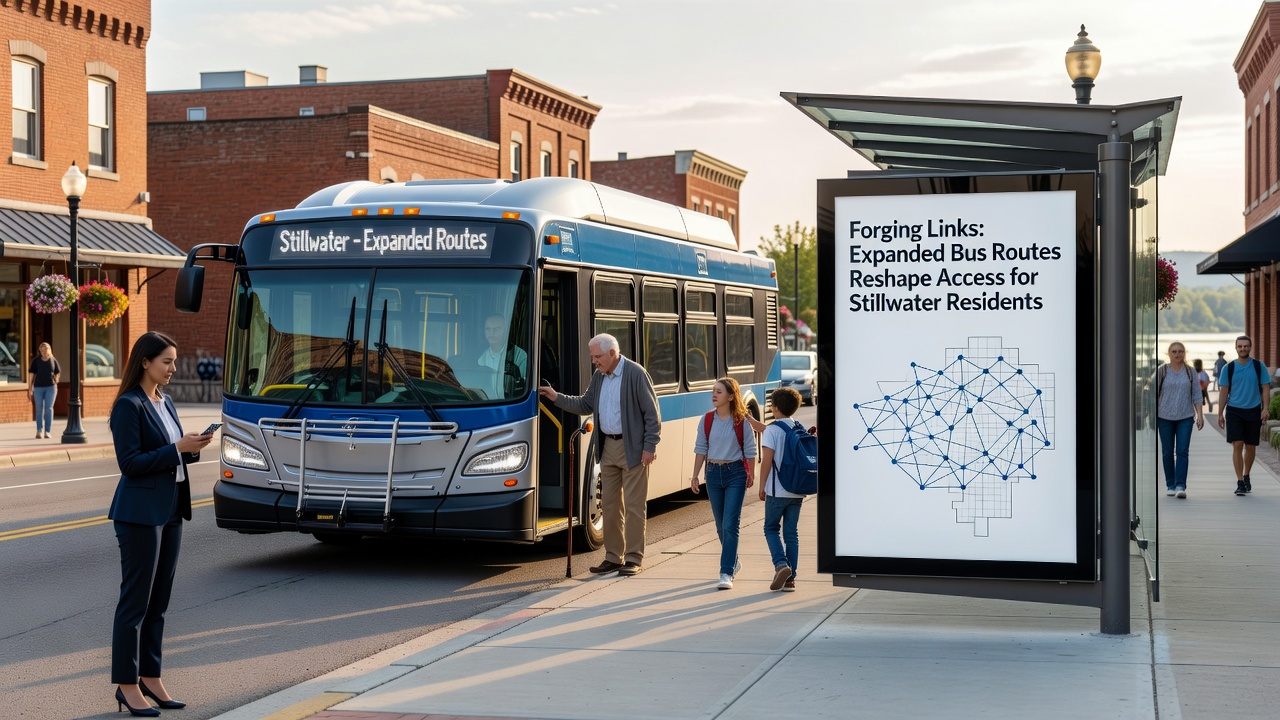
Local authorities in Stillwater have rolled out an expanded bus network that connects previously underserved neighborhoods with employment centers, healthcare facilities, and educational institutions, and the changes take full effect in October 2026.
Transport planners worked with community groups and data analysts to identify gaps in existing coverage, then designed new routes that link residential zones directly to industrial parks on the eastern edge of town and to the main hospital campus to the north.
Current Network Limitations and Planning Process
Before the expansion, several outer wards relied on infrequent services that ended by early evening, forcing residents to arrange private lifts or walk long distances after standard working hours, while central areas enjoyed multiple overlapping lines with evening and weekend options. Council records show that passenger numbers on the core routes remained steady, yet surveys conducted by the regional transport partnership indicated that 28 percent of households in the southern and western wards had no practical bus access for daily commuting.
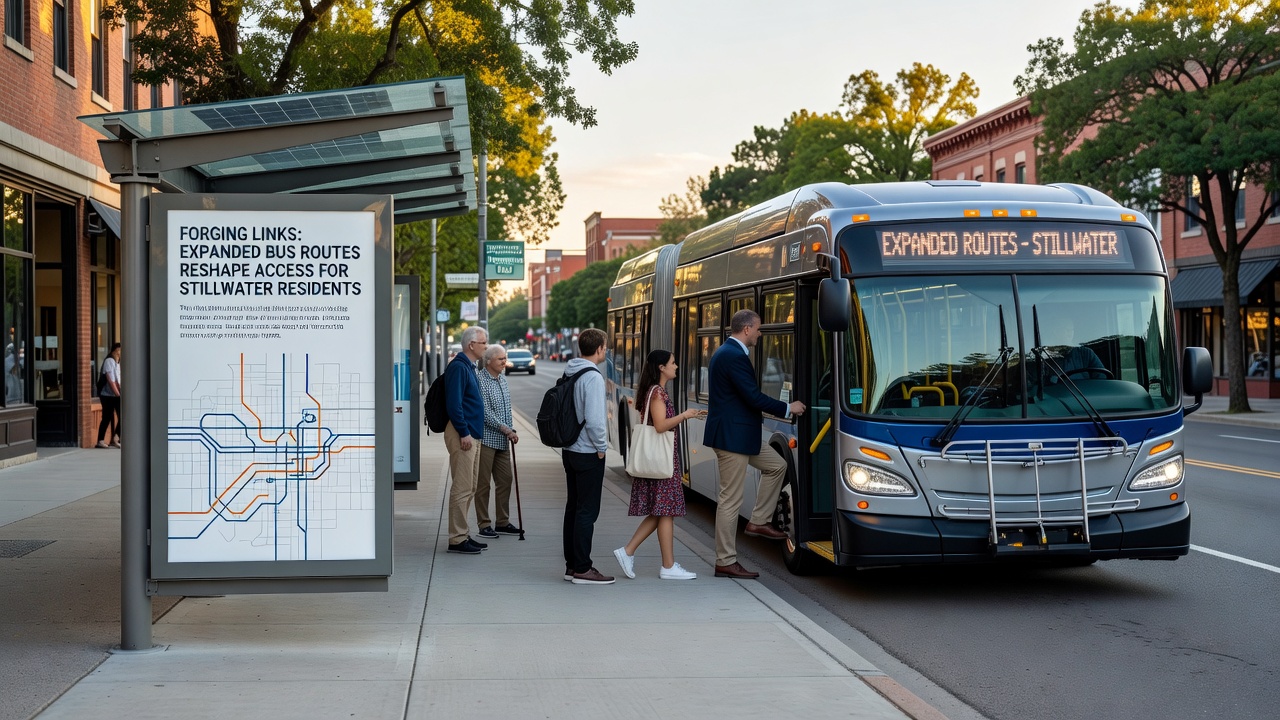
Engineers reviewed ridership figures alongside population growth projections and land-use maps, then consulted with operators on vehicle capacity and scheduling constraints. The resulting plan adds four new corridors and extends operating hours on three existing lines, all scheduled to begin in October 2026.
Route Additions and Service Enhancements
The newest corridor runs from the Maple Grove estate through the business park and terminates at the railway station, cutting average journey times for shift workers by 22 minutes according to modeling released by the local highways department. Another line circles the western residential fringe and connects to the community college, providing direct access for students who previously transferred twice.
Evening services on the main north-south route will now continue until 11:30 p.m. on weekdays, while weekend frequencies increase from every 60 minutes to every 30 minutes during peak shopping hours. Operators have ordered ten additional low-floor vehicles equipped with real-time tracking, and the council has installed new shelters at 14 stops that lacked cover.
Measured Impacts on Daily Mobility
Early modeling from the Department for Transport suggests that the combined changes could lift overall bus patronage by 15 to 18 percent within the first year of operation. Figures released by the same agency for comparable network upgrades in other UK regions showed similar gains when service frequency and coverage both improved simultaneously.
Residents in the affected wards will gain access to 340 additional jobs within a 45-minute public transport journey, based on analysis that matched census workplace data with the new timetables. Healthcare appointments at the district hospital become reachable without transfers for an estimated 1,200 additional households, reducing reliance on volunteer driver schemes that currently handle 60 trips per week.
Funding, Timeline and Stakeholder Roles
Central government grants cover 65 percent of the capital costs for vehicles and infrastructure, while the remainder comes from the regional transport levy and developer contributions tied to recent housing approvals. Procurement documents list a phased rollout beginning with route testing in August 2026 and full public service from 5 October 2026.
Bus operators retain responsibility for day-to-day scheduling, yet the council retains oversight through quarterly performance reviews that track punctuality, passenger complaints, and accessibility audits. A community liaison group meets monthly to flag emerging issues before they affect large numbers of riders.
Integration with Regional Transport Plans
The Stillwater upgrades form part of a wider corridor strategy that links to the county’s park-and-ride facilities and to planned improvements on the rail line serving the regional hub. Coordination meetings between the local authority and the rail operator have already aligned bus arrival times with morning peak trains, reducing average door-to-door travel for commuters who combine modes.
European examples cited in the project documentation include integrated ticketing pilots in several mid-sized cities that achieved further ridership increases of 8 percent after physical network changes were complete. Australian transport authorities have reported comparable results when new routes were paired with real-time information apps, prompting Stillwater planners to include a mobile update feature in the current contract.
Conclusion
Implementation of the expanded network proceeds on schedule for October 2026, with construction of new stops and procurement of vehicles already underway. Ongoing monitoring by the transport partnership will track whether projected gains in access and patronage materialize, providing data that can inform future adjustments to frequencies and coverage across the district.