Yara Peters · 13 November 2026
Autumn Literary Festivals Highlight Stillwater's Evolving Community Narratives
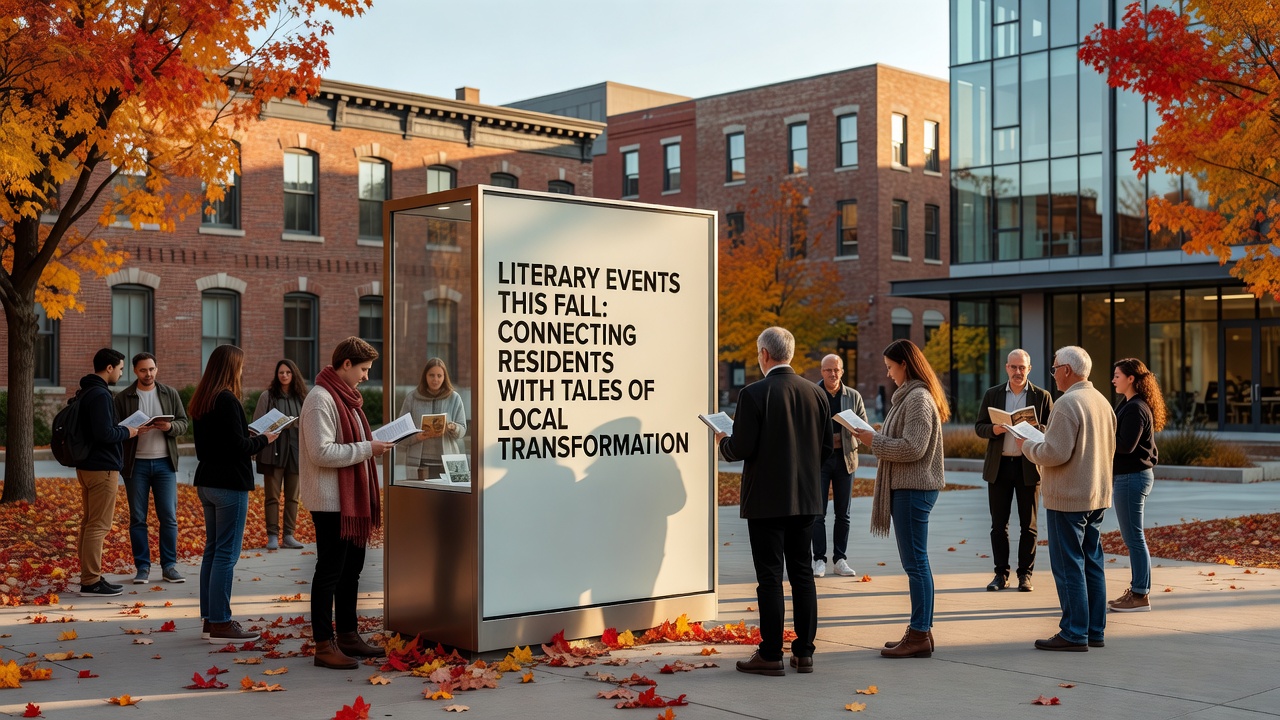
Stillwater's fall calendar features multiple literary gatherings that draw residents into discussions about the town's shifting landscapes and histories, with events scheduled through November 2026 at libraries, community halls, and outdoor venues across the area. Organizers coordinate readings, panel discussions, and writing workshops that center on documented accounts of environmental shifts, infrastructure developments, and demographic changes recorded in local archives and resident testimonies.
Key Events Scheduled for October and November
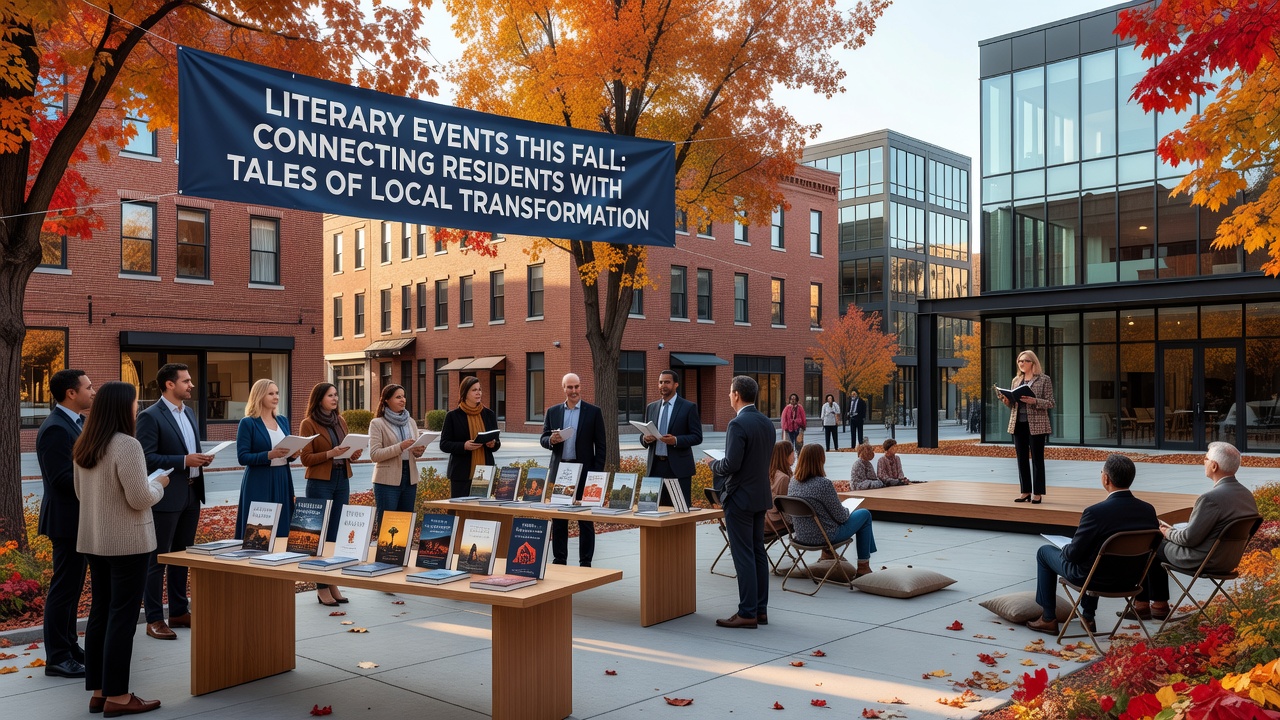
The Stillwater Public Library launches its series on October 15 with a multi-author reading series titled "Layers of Change," where historians and local writers present excerpts from journals and oral histories spanning the past century. Participants review records of flood management projects alongside accounts of agricultural adjustments during extended dry periods, and sessions continue weekly through the end of the month. A separate workshop series begins November 3 at the community center, inviting attendees to map personal family stories against official planning documents that detail bypass route proposals and expanded transit corridors.
Researchers from regional universities contribute to evening panels on November 12 and 19, presenting data compiled from field surveys of village woodlands and farmer-maintained weather logs. These sessions connect documented land-use decisions with narrative accounts collected from long-term residents, while additional pop-up readings occur at the town square market on weekends in late November.
Themes Connecting Literature and Local Records
Event programming emphasizes connections between published works and primary sources such as council minutes, census data, and environmental monitoring reports. One recurring segment examines how settlement patterns evolved alongside transit expansions, using maps and passenger records to illustrate access improvements for outlying neighborhoods. Another thread follows heritage documentation projects that incorporate recent archaeological finds with transit planning archives to reconstruct earlier migration routes into the region.
Attendees examine case materials from comparable communities where literary projects have archived similar transformation narratives, including studies coordinated through academic partnerships in Canada and Australia. Figures released by the European Environment Agency show correlations between recorded drought intervals and shifts in local crop records, and these datasets appear alongside fictionalized accounts drawn from the same periods.
Community Participation and Documentation Efforts
Registration data from the library indicates over 400 residents signed up for at least one session by early October, with many contributing their own written recollections during open-mic segments. Volunteers compile these contributions into a digital archive that cross-references personal accounts against planning applications and survey results released by local authorities. The process mirrors documentation methods used by the National Library of Australia in regional history projects, where resident submissions supplement official records without altering verified data points.
Writing circles meet biweekly to practice techniques for transforming raw records into readable prose, and facilitators supply templates based on examples from UK-based oral history collections. Participants review how earlier bus route expansions altered daily movement patterns, then draft short pieces that place those changes within broader settlement timelines. The resulting collection will be available for public review by December 2026.
Resources and Further Reading
Event materials direct participants to digitized collections maintained by the British Library and the Canadian Association of University Libraries, where comparable regional transformation studies are catalogued. Links appear on the library website for those seeking primary documents on land management decisions and demographic records. These resources support independent exploration beyond the scheduled sessions.
Conclusion
Fall literary programming in Stillwater integrates published texts with verifiable local documentation to present residents with structured opportunities for examining the town's documented evolution. Sessions running into November 2026 continue this approach by pairing narrative techniques with data drawn from environmental surveys, planning records, and resident archives, resulting in a growing body of shared material accessible to the broader community.